



Blog
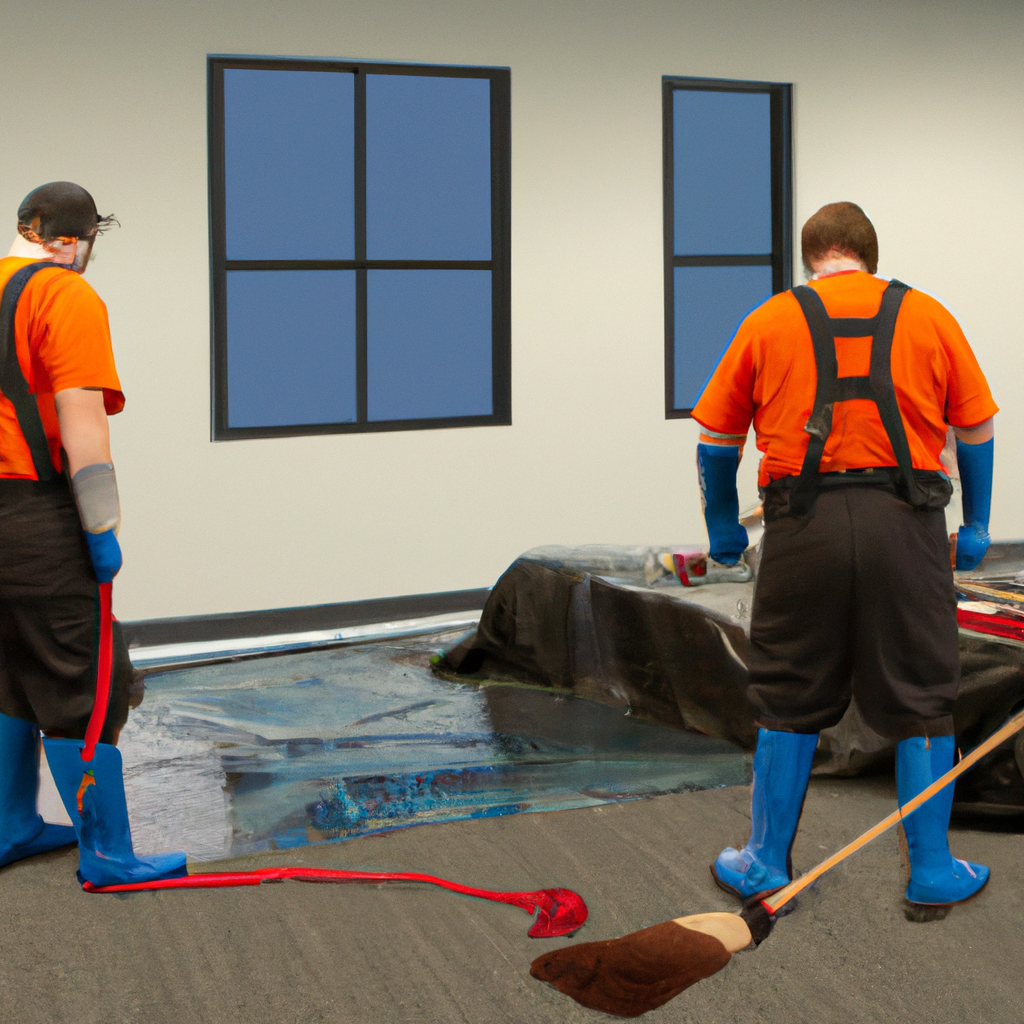
Handling Large-Scale Flood Cleanup
**Navigating Large-Scale Flood Cleanup in Industrial and Commercial Settings**
Flooding can have catastrophic effects on industrial and commercial properties, leading to extensive water damage and posing significant challenges in restoration efforts. Addressing large-scale flood cleanup requires a strategic approach to ensure safety, efficiency, and comprehensive recovery. Below, we explore key restoration practices, safety considerations, and steps for handling these complex situations effectively.
### Understanding the Impact of Flooding
Flooding in industrial and commercial settings can result in:
– **Significant Structural Damage**: Water can weaken building foundations, warp floors, damage walls, and compromise the integrity of structures.
– **Mold Growth**: The presence of moisture creates an ideal environment for mold, which can spread rapidly if not addressed promptly.
– **Electrical Hazards**: Water exposure can lead to electrical system failures, posing risks of fires or electrocution.
– **Biohazard Risks**: Floodwaters may carry sewage, chemicals, or other hazardous materials, necessitating specialized biohazard cleanup.
### Essential Restoration Practices
#### 1. **Initial Assessment and Planning**
Before beginning the cleanup process, it is crucial to conduct a thorough assessment of the affected areas. This involves:
– **Evaluating Structural Integrity**: Ensure that buildings are safe to enter. Look for signs of structural damage such as cracks, leaning walls, or sagging ceilings.
– **Identifying Hazards**: Check for potential health risks, including electrical hazards, chemical spills, and biohazardous materials.
Once the assessment is completed, devise a detailed cleanup and restoration plan. This should outline:
– **Priority Areas**: Identify and prioritize areas requiring immediate attention to prevent further damage.
– **Resource Allocation**: Determine the manpower, equipment, and materials needed for effective cleanup.
#### 2. **Water Extraction and Drying**
The primary step in flood cleanup is to remove standing water and thoroughly dry the environment to prevent mold growth. Key actions include:
– **Utilizing Industrial Pumps**: Deploy high-capacity pumps to extract large volumes of water quickly.
– **Employing Dehumidifiers and Air Movers**: Use specialized equipment to enhance air circulation and speed up the drying process.
#### 3. **Mold Removal and Prevention**
Mold can develop within 24 to 48 hours after water exposure, necessitating prompt action:
– **Inspection and Testing**: Conduct a comprehensive mold inspection and, if necessary, engage professionals for testing.
– **Safe Removal**: Use appropriate safety gear and containment methods to prevent mold spores from spreading during cleanup.
– **Preventative Measures**: Apply antimicrobial treatments to inhibit future mold growth.
#### 4. **Biohazard and Sewage Cleanup**
Floodwaters can contain harmful pathogens, requiring careful handling:
– **Protective Equipment**: Ensure that all personnel wear appropriate personal protective equipment (PPE).
– **Specialized Disposal**: Follow local regulations for the disposal of biohazardous materials.
### Safety Considerations
#### 1. **Electrical Safety**
– **Power Down**: Ensure that all power sources are turned off before entering flooded areas.
– **Professional Inspection**: Have qualified electricians inspect and repair any electrical systems damaged by water.
#### 2. **Air Quality**
– **Ventilation**: Maintain proper ventilation to disperse harmful fumes and ensure clean air circulation.
– **Air Quality Testing**: Conduct tests to monitor for harmful pollutants or contaminants.
### Leveraging Professional Expertise
Engaging experienced restoration professionals can vastly improve the efficiency and effectiveness of large-scale flood cleanup. Professionals bring:
– **Expertise and Equipment**: Access to advanced tools and techniques for water damage restoration and mold removal.
– **Comprehensive Solutions**: Ability to address both immediate cleanup needs and long-term restoration goals.
### Conclusion
Handling large-scale flood cleanup in industrial and commercial settings demands meticulous planning, adherence to safety protocols, and the deployment of specialized equipment and expertise. By prioritizing structural assessments, efficient water extraction, mold prevention, and biohazard management, businesses can minimize downtime and restore operations swiftly and safely. Engaging professional restoration services can further streamline the recovery process, ensuring a return to normalcy with minimal disruption.
Remember, the key to successful flood recovery lies in swift action, strategic planning, and the commitment to safety at every stage of the restoration journey.