



Blog
Large-Scale Commercial Flood Cleanup: Steps to Restore Operations
Large-Scale Commercial Flood Cleanup: Steps to Restore Operations
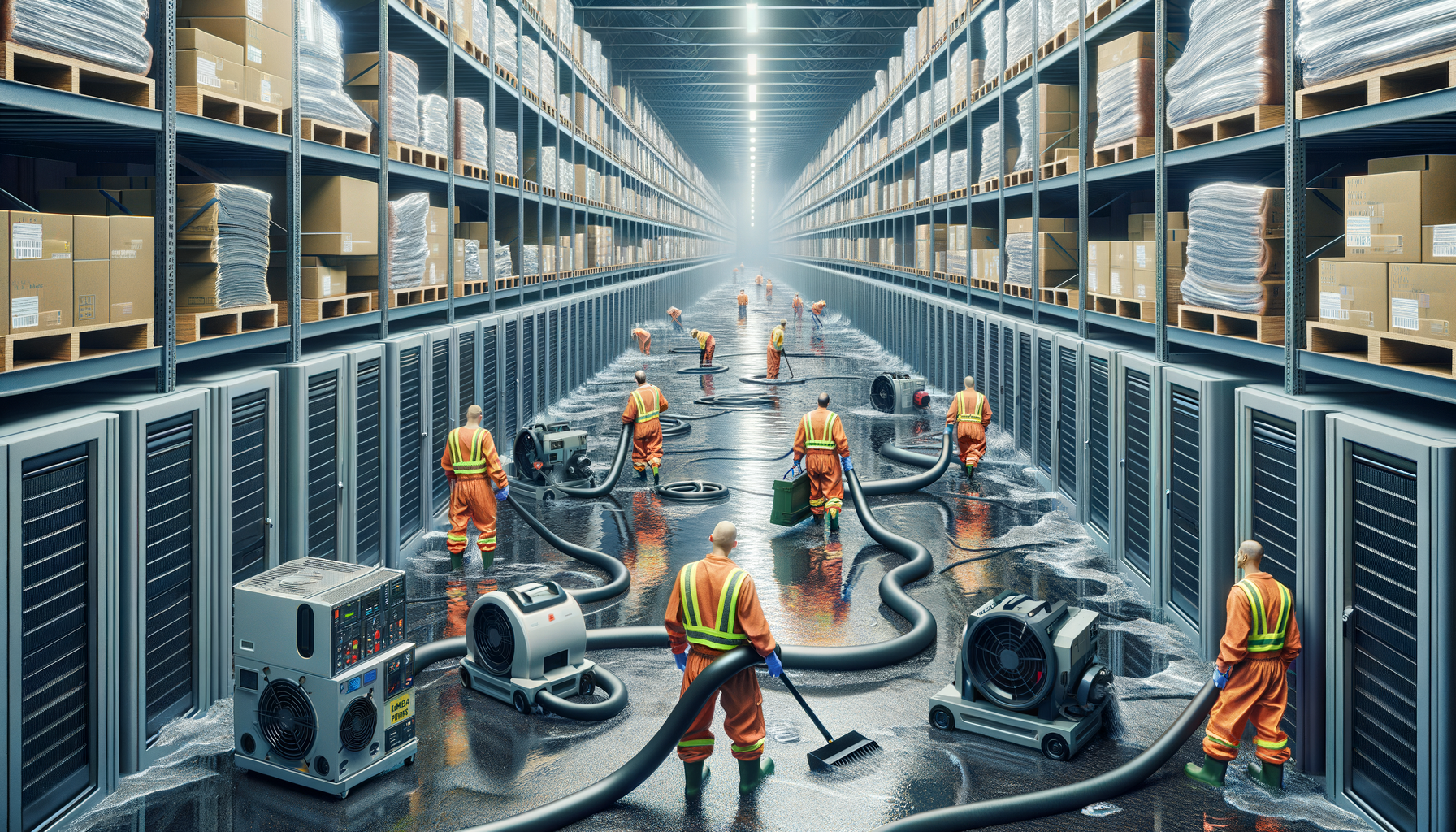
When flooding impacts a commercial or industrial facility, the stakes are immediate: employee safety, regulatory compliance, inventory loss, equipment downtime, and business interruption. Large-scale cleanup is not simply “more of the same”—it requires coordinated logistics, specialized drying strategies, and disciplined documentation to restore operations quickly and defensibly. At TRI-WEH Restoration, we approach commercial flood events with an operational mindset: stabilize the site, control secondary damage, and return the building to safe, functional use with minimal disruption.
1) Stabilize the Site and Protect People First
Before any extraction or demolition begins, confirm the facility is safe to enter. Floodwater can compromise electrical systems, weaken structural components, and introduce contaminants that change the required protective measures. A controlled entry plan prevents injuries and limits cross-contamination into unaffected areas.
- Shut down power to affected zones and verify lockout/tagout procedures for industrial equipment.
- Assess structural risks such as saturated drywall, bowed flooring, undermined slabs, or compromised mezzanines.
- Identify slip, trip, and fall hazards and establish safe walk paths and staging zones.
- Determine water category (clean, gray, or black) to set required PPE and disposal protocols.
- Isolate affected areas with temporary barriers to protect occupied operations and reduce airborne spread.
2) Rapid Assessment and Prioritized Triage
In large commercial footprints, trying to “treat everything at once” can slow recovery. The right approach is triage: map the flood boundary, identify critical assets, and sequence work to reopen priority areas first. This is especially important in warehouses, manufacturing plants, healthcare facilities, retail centers, and multi-tenant properties where downtime costs escalate by the hour.
- Document conditions with photos, moisture readings, and equipment logs for insurance and compliance needs.
- Identify critical operations: server rooms, production lines, loading docks, and life-safety systems.
- Separate salvageable materials from unsalvageable contents to avoid wasted labor.
- Confirm if there is concurrent fire damage or smoke impact from electrical events; fire restoration planning may need to run parallel.
3) Bulk Water Removal and Controlled Extraction
Fast extraction reduces swelling, corrosion, and microbial growth. Large-scale jobs typically require truck-mounted extraction, high-capacity pumps, and portable units staged across zones. Extraction must be controlled to avoid spreading contamination into clean areas and to prevent disturbing sensitive equipment.
- Use sump pumps and trash pumps for deep standing water, then transition to commercial extractors for residual moisture.
- Protect drains and verify discharge pathways meet local regulations and facility requirements.
- Remove saturated porous materials (insulation, certain ceiling tiles, warped composite products) when drying is not feasible.
- Coordinate with facility engineering to protect elevators, electrical rooms, and HVAC intakes.
4) Industrial Drying Strategy: Dehumidification, Air Movement, and Heat
Drying a large structure is an engineering problem, not a guessing game. Effective drying depends on psychrometrics: temperature, humidity, airflow, and material type. In large spaces, stratification and dead-air zones are common, so equipment placement and monitoring matter as much as equipment volume.
- Deploy desiccant or low-grain refrigerant dehumidifiers based on conditions and building size.
- Use air movers strategically to create consistent airflow without forcing contaminants into clean zones.
- Implement targeted heat drying where appropriate for dense materials, while protecting temperature-sensitive inventory.
- Monitor daily with moisture mapping and humidity logs to validate progress and prevent hidden water damage.
5) Cleaning, Sanitizing, and Environmental Controls
Flood events can introduce bacteria, chemicals, and fine particulates—especially in commercial districts or industrial sites. Cleaning should be matched to the water source and the facility’s use (food service, healthcare, manufacturing). TRI-WEH Restoration integrates environmental services to manage contamination risks and maintain indoor air quality during restoration.
- Apply appropriate antimicrobial treatments after removal of bulk water and debris.
- Use HEPA filtration and negative air containment when needed to control airborne particulates.
- Clean and evaluate HVAC components; replace contaminated filters and address ductwork if impacted.
- Dispose of contaminated debris according to regulations and documented chain-of-custody practices when required.
6) Mold Prevention and Targeted Remediation
In commercial environments, mold can develop quickly in concealed cavities, wall systems, and under flooring. Prevention starts with rapid drying and controlled humidity, but when growth is present, it must be addressed with proper containment and verification. Facilities in the region often request mold remediation Cincinnati services when post-flood conditions persist or when hidden moisture is discovered late.
- Inspect behind baseboards, under flooring, above drop ceilings, and within wall assemblies.
- Contain affected areas to protect occupied spaces and prevent cross-contamination.
- Remove or clean impacted materials based on industry standards and material type.
- Confirm dryness and cleanliness with post-remediation verification steps before rebuild.
7) Restore Operations: Phased Rebuild and Risk Reduction
Returning to production or occupancy often happens in phases. A disciplined plan reduces rework and prevents recurring loss. After drying and cleaning are verified, reconstruction can begin—flooring, drywall, insulation, paint, and finish work—while coordinating with facility teams and other trades. If the event also involved electrical failure or secondary fire damage, fire restoration steps may be integrated to address soot residues, odor control, and damaged building components.
For businesses searching for water damage restoration Cincinnati support, TRI-WEH Restoration focuses on measurable outcomes: safe conditions, documented drying, controlled environmental practices, and a clear path back to normal operations. Large-scale flood cleanup is complex, but with the right sequencing and safety discipline, facilities can reopen faster and with greater confidence.
Need restoration help in Cincinnati?
TRI-WEH Restoration is a locally owned, IICRC-certified restoration contractor based in Cincinnati, Ohio, serving homes and businesses across Greater Cincinnati 24/7. If you need water damage restoration or air duct cleaning, call us any time at (513) 231-6653 or request service online.