



Blog
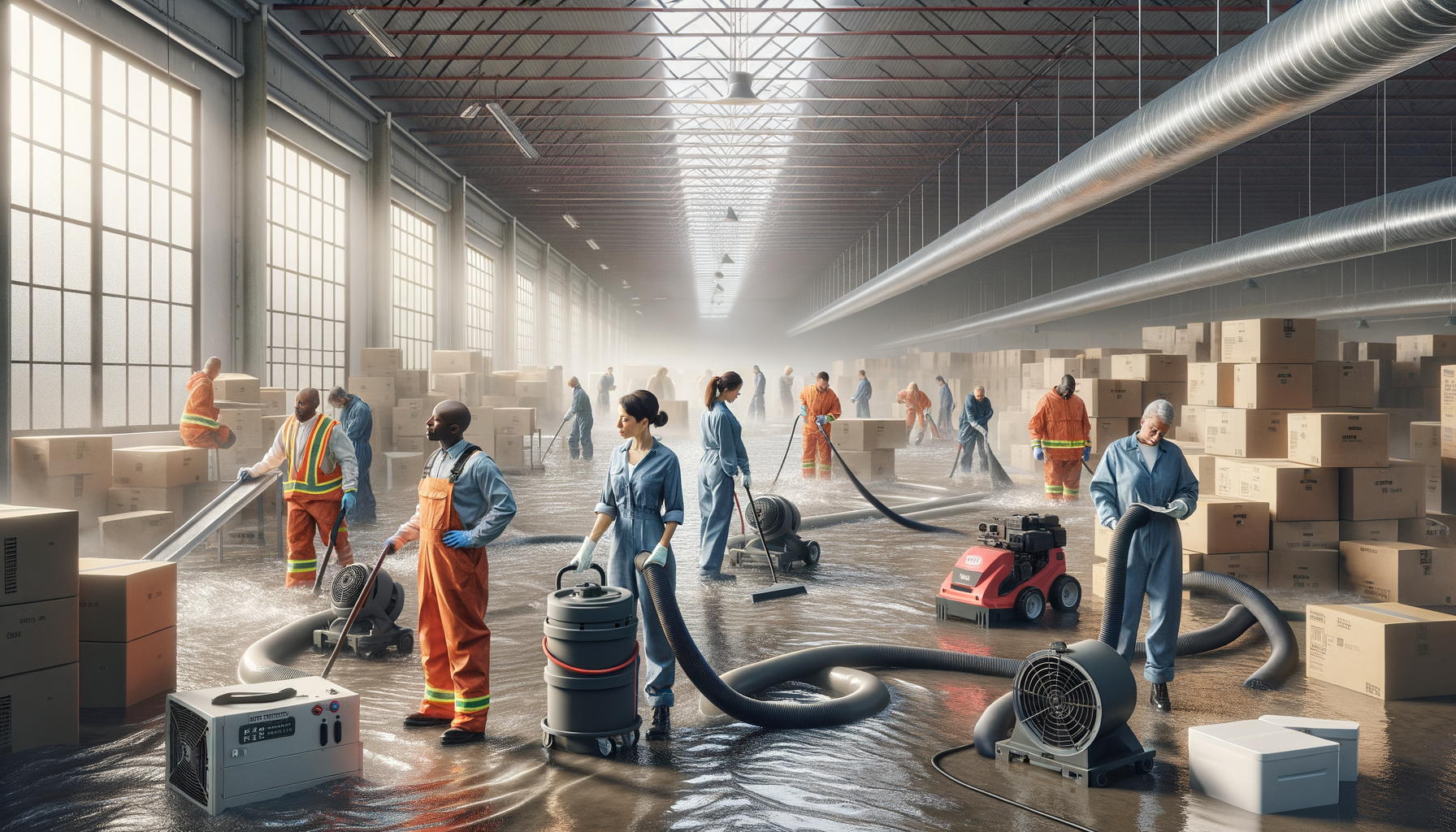
Large-Scale Flood Cleanup for U.S. Facilities: Safety, Drying, Recovery
Large-Scale Flood Cleanup for U.S. Facilities: Safety, Drying, Recovery
Flooding in a large commercial or industrial facility is more than a wet floor problem—it can disrupt production, compromise building systems, and create serious health and liability exposure. A successful large-scale response requires disciplined safety controls, a documented plan for structural drying, and a recovery strategy that restores operations without creating secondary damage. TRI-WEH Restoration approaches facility flood events with a focus on worker protection, verifiable drying outcomes, and clear communication from the first hour through final turnover.
1) Immediate priorities: life safety, hazard control, and stabilization
Before extraction equipment arrives, the site must be made safe for entry. Floodwater often impacts electrical systems, elevators, fire protection components, and chemical storage areas. A controlled access plan limits unnecessary foot traffic and reduces slip, trip, and fall incidents.
- Shut down power to affected zones and verify lockout/tagout where required.
- Identify contamination risks (sewage, chemicals, fuel, process water) and set appropriate PPE levels.
- Stabilize the building environment: secure entrances, address active leaks, and isolate hazardous areas.
- Establish an incident command structure for contractors, facility leadership, and safety officers.
In industrial settings, special attention is given to energized equipment, compressed air lines, and confined spaces. If floodwater entered pits, basements, or utility tunnels, the team evaluates atmospheric hazards and ventilation needs before anyone enters.
2) Structural evaluation and documentation for decision-making
Large facilities require fast, defensible decisions about what can be dried in place and what must be removed. A structural evaluation helps determine whether water exposure has compromised load-bearing elements, wall assemblies, roof decks, or suspended systems. It also guides sequencing so crews do not trap moisture behind newly installed materials.
- Map water migration paths across floors, mezzanines, wall cavities, and below-grade areas.
- Assess concrete saturation, insulation wetting, and damage to gypsum, wood, and composite panels.
- Document conditions for insurance, risk management, and internal reporting.
- Verify fire protection and life safety systems remain functional or are properly impaired and monitored.
Documentation matters in large-loss events. Moisture readings, photos, equipment logs, and drying targets provide transparency and reduce disputes during recovery.
3) Water extraction at scale: speed and access
Extraction is not just about removing standing water; it is about reducing the moisture load so structural drying can succeed. In warehouses, manufacturing plants, hospitals, and schools, access constraints and operational priorities affect how extraction is staged.
- Use high-capacity pumps and truck-mounted extraction where feasible to reduce time-to-dry.
- Clear pathways for equipment and protect critical assets with relocation or elevated storage.
- Coordinate with facility teams to protect sensitive areas such as server rooms, electrical switchgear, and clean zones.
Where water has infiltrated under flooring systems or into wall assemblies, targeted removal may be required to prevent hidden moisture from undermining the drying plan.
4) Structural drying strategy: engineered airflow, dehumidification, and monitoring
Effective structural drying in large facilities is a controlled process. The goal is to create stable drying conditions—temperature, humidity, and airflow—while preventing cross-contamination and minimizing downtime. Drying strategies differ based on materials, ambient conditions, and the volume of water absorbed.
- Deploy commercial desiccant or refrigerant dehumidifiers sized to the cubic footage and moisture load.
- Use air movers to direct airflow across wet surfaces and into affected zones without spreading debris.
- Implement containment where needed to keep air quality stable and protect occupied areas.
- Track progress with daily moisture mapping and psychrometric readings to validate drying performance.
For facilities that must remain partially operational, zoning is critical. Drying zones can be isolated so production, patient care, or logistics continue safely while restoration progresses.
5) Air quality protection and microbial risk control
Flood events create ideal conditions for microbial growth if materials remain wet. Protecting air quality is essential for occupant health, regulatory compliance, and preventing odor and corrosion issues. Rapid drying is the primary control, supported by filtration and source removal where necessary.
- Use HEPA filtration in occupied or sensitive environments to reduce airborne particulates.
- Remove unsalvageable porous materials promptly to reduce microbial amplification.
- Apply cleaning protocols appropriate to the water category and facility use.
Facilities with past moisture issues may require targeted assessment. If there are concerns about persistent dampness or prior growth, a qualified inspection—such as a mold inspection cincinnati service for regional operations—can help confirm whether additional remediation steps are warranted before rebuild.
6) Special considerations: utilities, well water, and building systems
Flooding can affect potable water safety, especially at sites using well water. If wells, pressure tanks, or distribution lines were exposed, testing and disinfection may be required before water is used for drinking, sanitation, or process operations. Mechanical systems also need careful review—air handlers, ductwork, and controls can spread contaminants if restarted prematurely.
- Inspect and service HVAC components; replace filters and clean impacted sections before re-occupancy.
- Test and restore water systems, including well water, with appropriate lab verification when indicated.
- Evaluate electrical and fire alarm systems prior to full restart.
7) Recovery planning: phased reopening with verified outcomes
Large-scale recovery succeeds when restoration is aligned with operational priorities. TRI-WEH Restoration builds phased plans that sequence drying, cleaning, repairs, and commissioning so departments can reopen as soon as they are safe and stable. Final turnover includes verification that drying goals were met, air quality controls were maintained, and affected systems were restored to functional performance.
When floodwater hits a facility, speed matters—but disciplined safety, documented structural evaluation, and measurable structural drying are what protect the building and the business long after the water is gone.
Need restoration help in Cincinnati?
TRI-WEH Restoration is a locally owned, IICRC-certified restoration contractor based in Cincinnati, Ohio, serving homes and businesses across Greater Cincinnati 24/7. If you need water damage restoration or air duct cleaning, call us any time at (513) 231-6653 or request service online.