


Blog
Handling Large-Scale Flood Cleanup
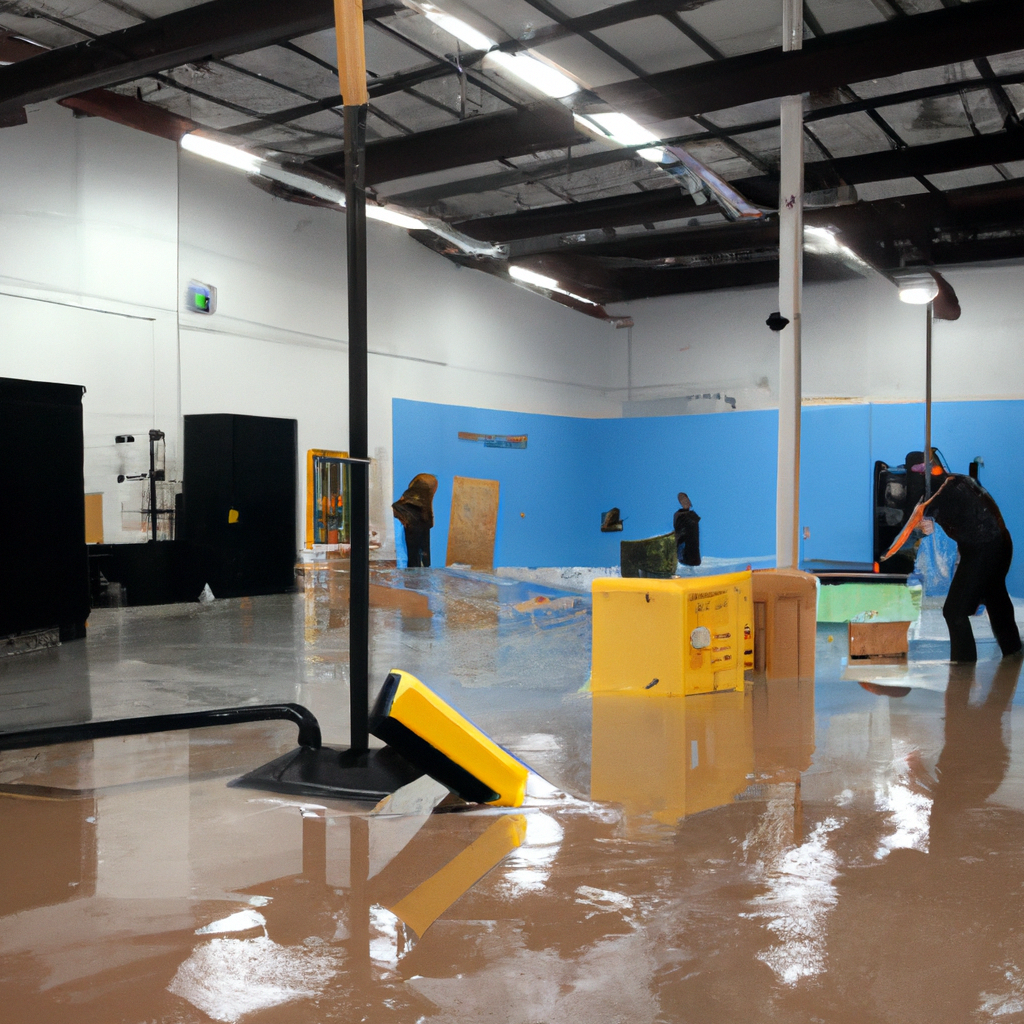
Large-scale flood cleanup in industrial or commercial settings necessitates meticulous planning, prioritising safety through initial assessments, and utilizing effective water restoration techniques and waste management. The use of professional restoration companies ensures a safer, quicker, and more thorough process, from safety checks and effective drying strategies, to smoke odor removal, waste disposal and restoration.
Read More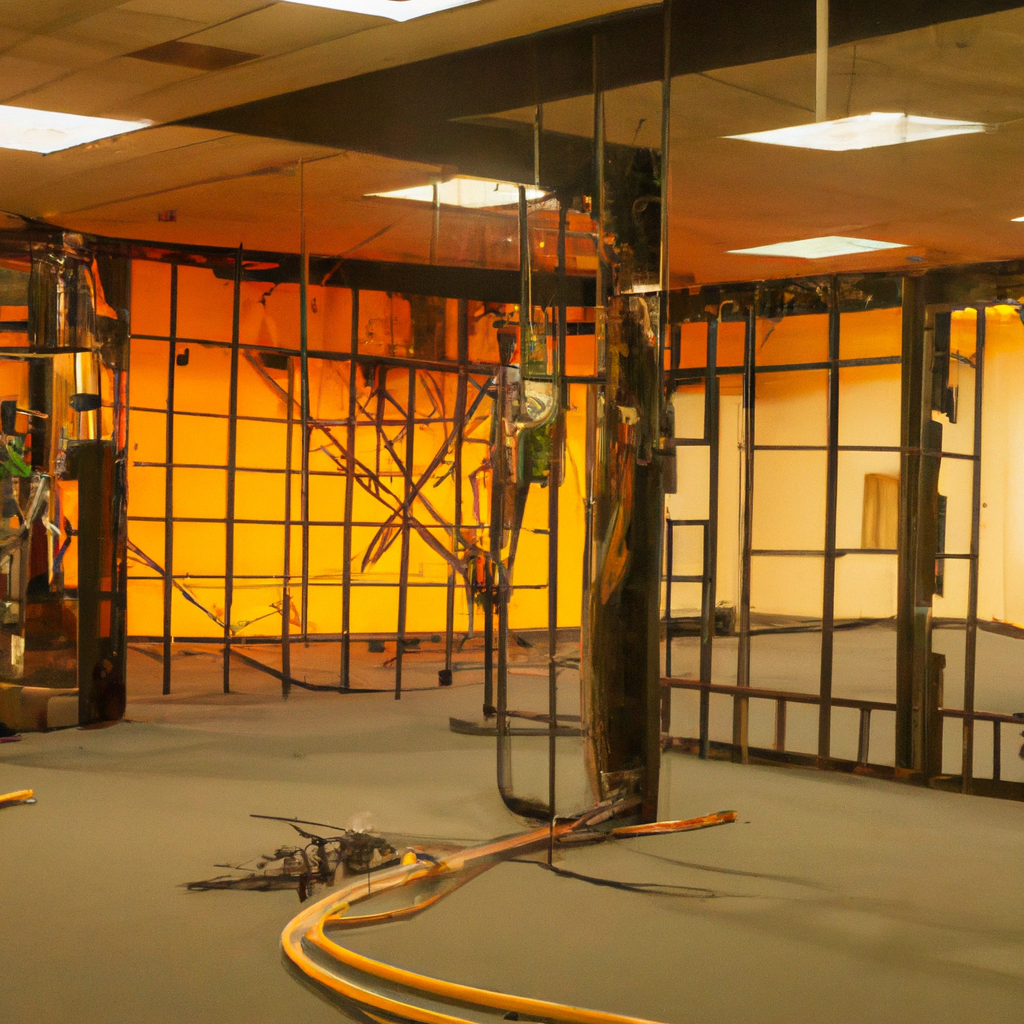
Commercial Fire Damage Repair
Commercial fire damage repair involves restoring flame, smoke, soot, and water damage in a propert y. It requires initial assessment, specialized restoration practices like debris removal, odor removal, structural repairs, molds remediation, and partnering with experienced professionals, while also considering safety guidelines and business continuity for industrial settings.
Read More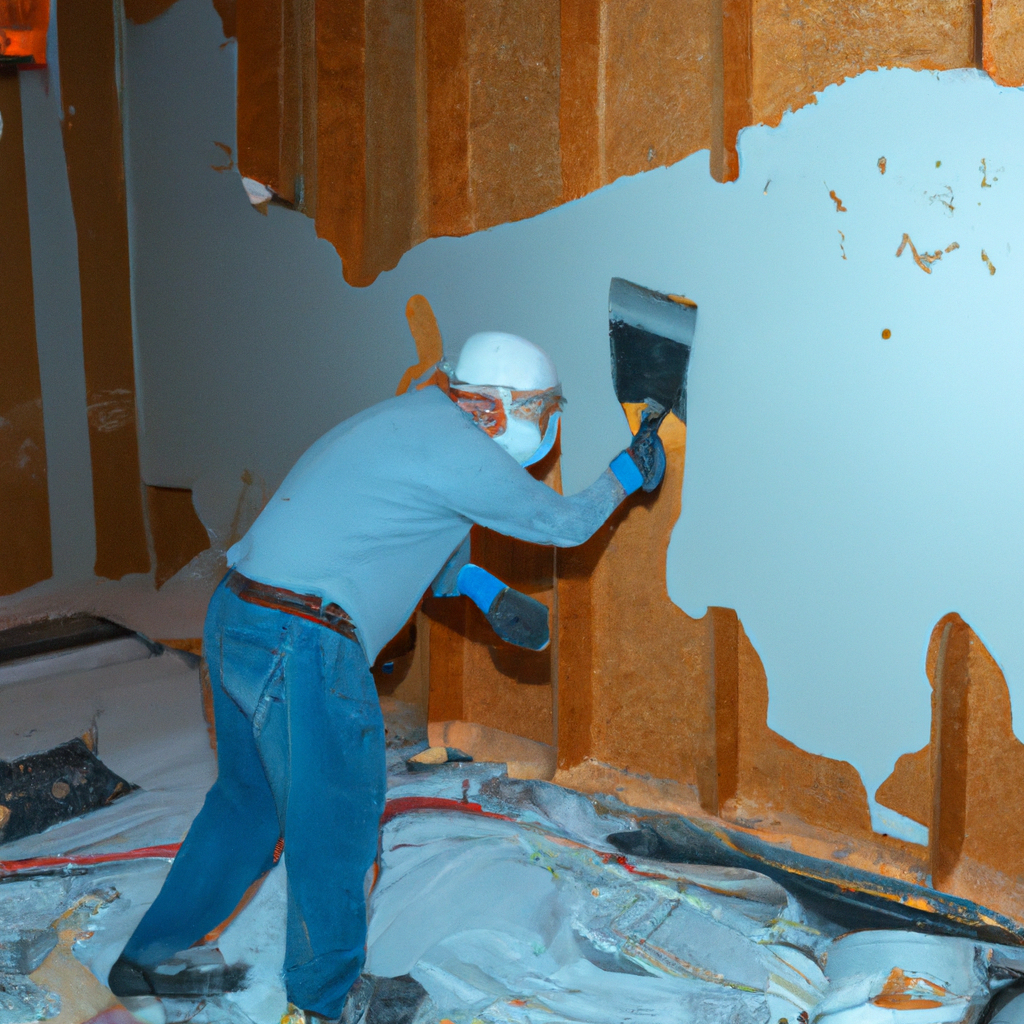
Professional Mold Remediation Techniques
Floor restoration is vital in commercial and industrial settings for maintaining productivity and safety, especially when water damage occurs, which can compromise structural integrity, cause operational downtime and pose health risks. Adequate moisture control strategies, efficient professional restoration techniques, and long-term preventive measures, such as waterproofing and regular maintenance, are necessary to mitigate damage, ensure a safe environment, and protect the business infrastructure.
Read More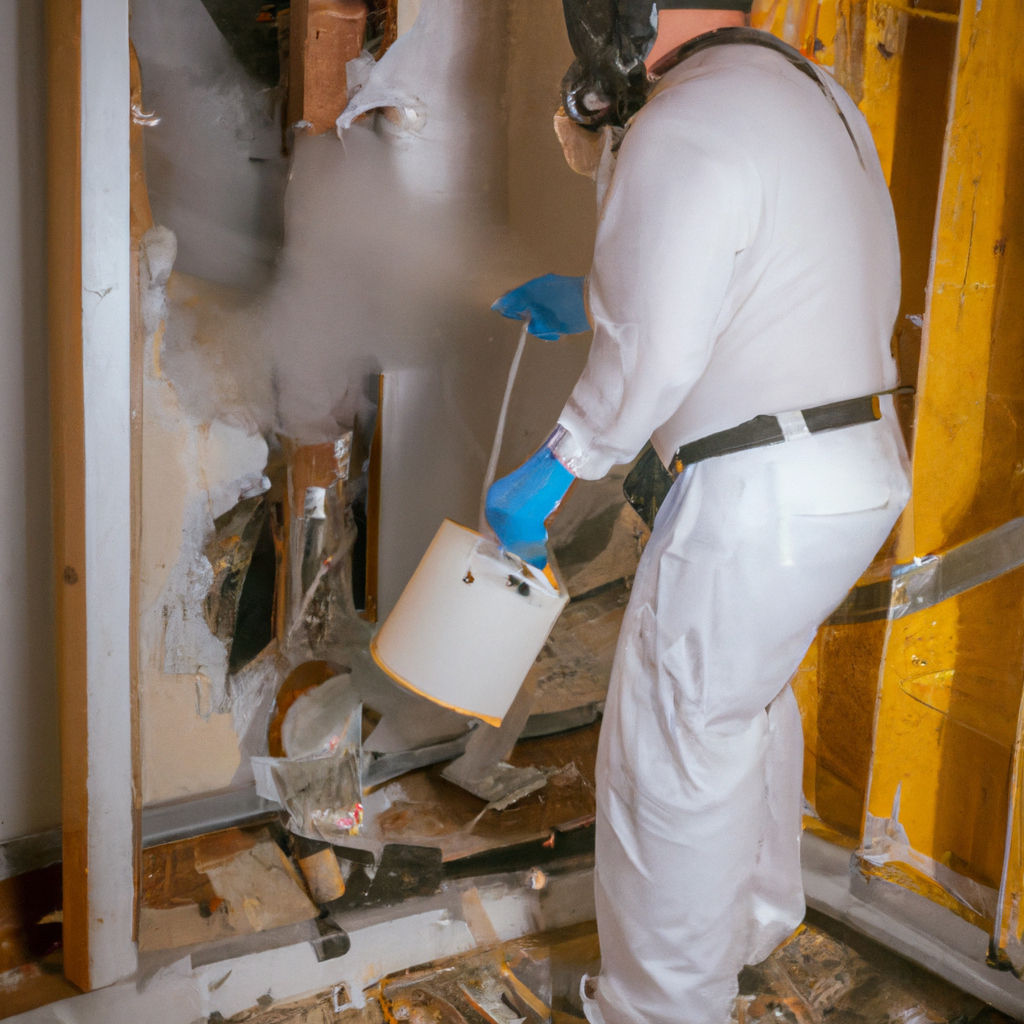
Professional Mold Remediation Techniques
The blog post provides a thorough guide to professional mold remediation in commercial and industrial settings, emphasizing the importance of strategic methods to ensure safety, minimize structural damage, and restore areas to their original condition. Steps include assessment, containment, air filtration, removal and cleaning, drying, and restoration, with priority given to safety measures, adhering to regulations, and prioritizing timely intervention to prevent future mold growth.
Read More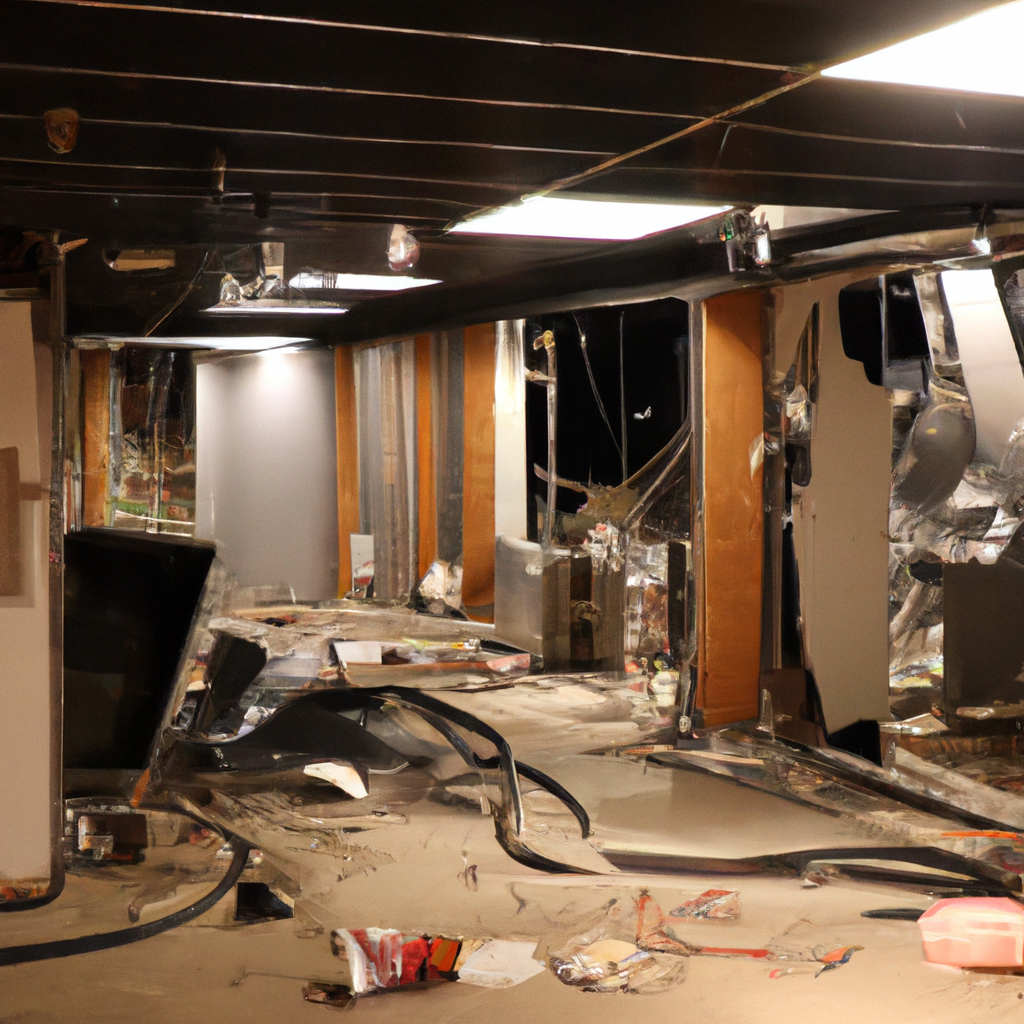
Commercial Fire Damage Repair
Commercial fire damage repair is a complex process that mandates strategic planning, prioritizing safety and efficiency, and employing advanced restoration techniques. It involves rapid response, smoke remediation, humidity control, and mold inspection, as well as observing safety regulations and continuous monitoring, with all these steps culminating in the restoration of the commercial properties to their operational status with minimal disruption to business activities.
Read More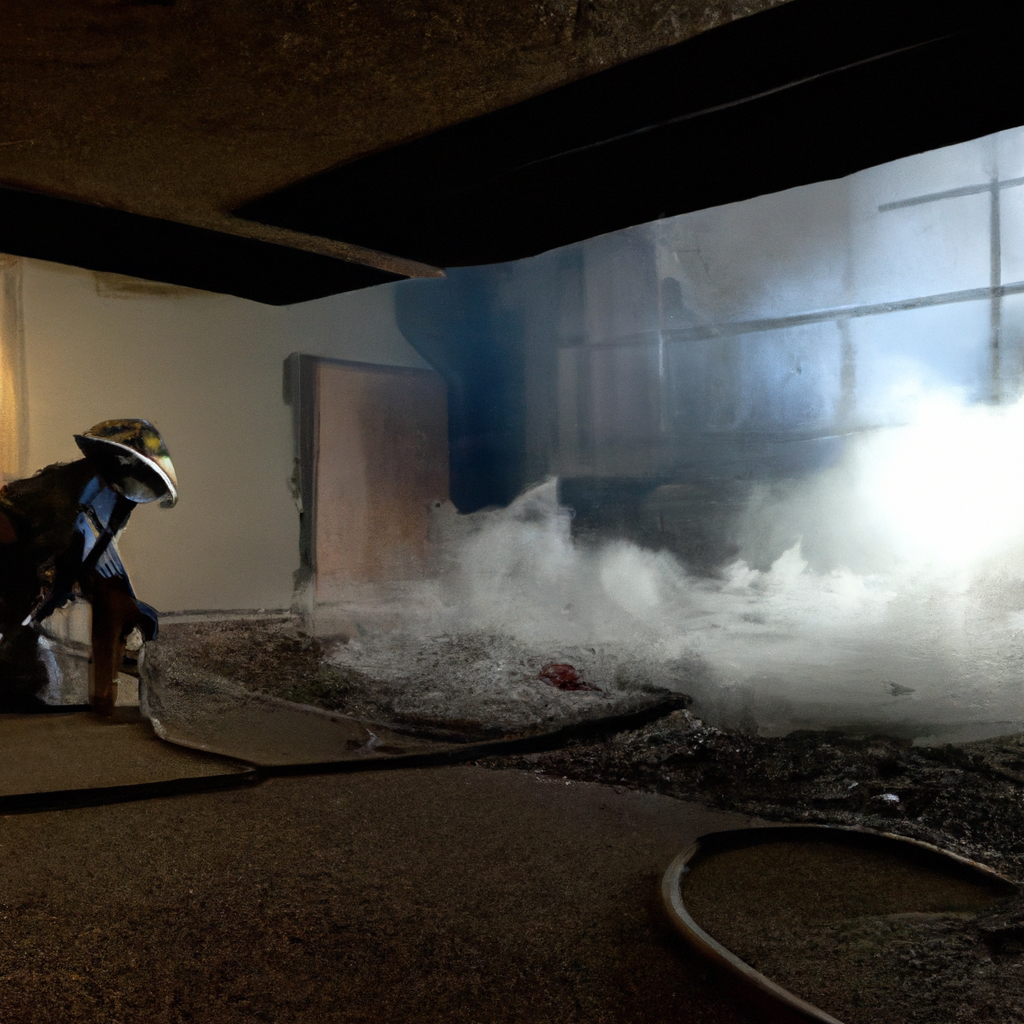
Best Practices in Smoke Damage Recovery
Smoke damage recovery in industrial and commercial settings is a critical process that extends beyond physical damage to include air quality issues, corrosion, and odour problems. Effective recovery requires a rapid response, strict safety measures, advanced cleaning techniques, and humidity control. The use of well water for firefighting or restoration must be carefully monitored to avoid additional contamination. Experienced restoration services can ensure comprehensive and professional smoke damage recovery.
Read More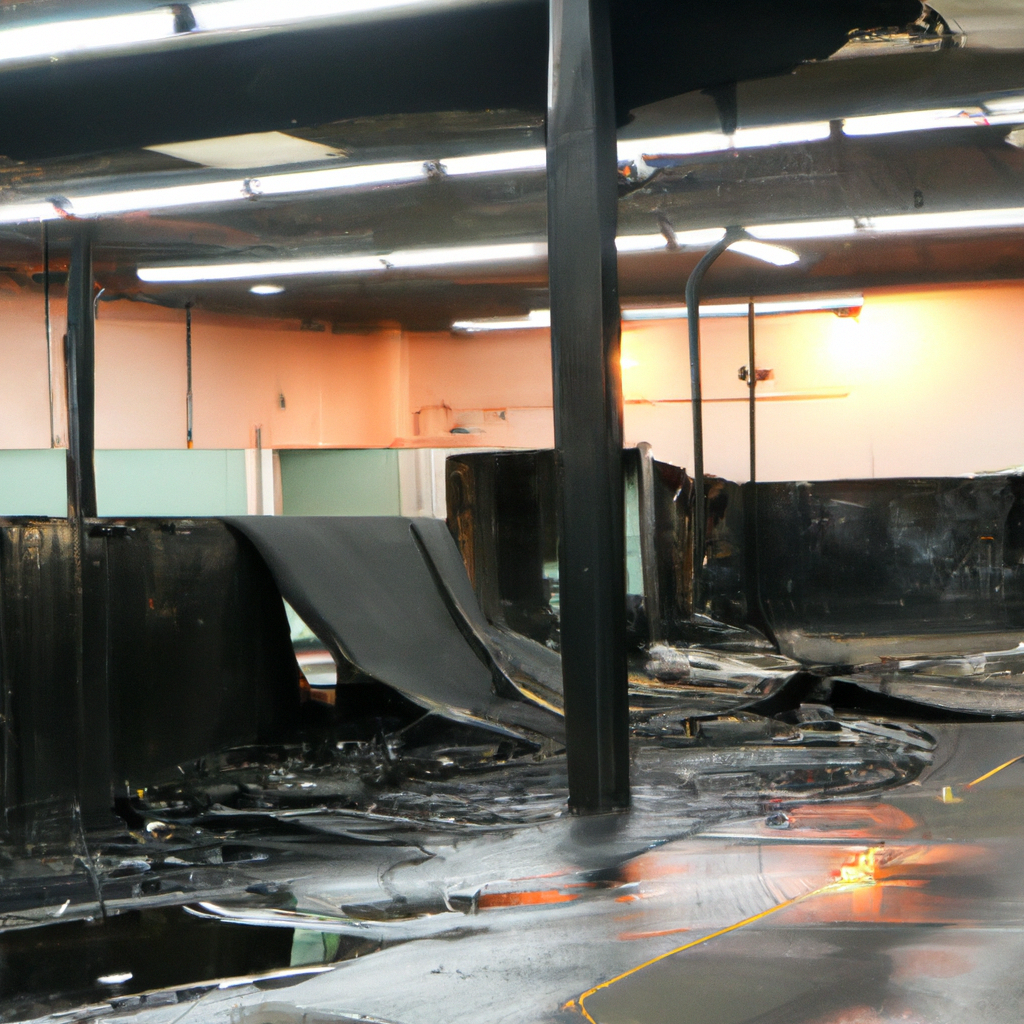
Commercial Fire Damage Repair
Commercial fire damage repair is a complex process that includes assessing the extent of structural damage, mitigating water damage, removing smoke and soot residues, tackling mold growth, and restoring the building to its original state. It is vital to engage with professional restoration experts and adhere to strict safety guidelines to effectively restore the damaged premises, leveraging their expertise, advanced tools, and comprehensive services to navigate the complexities of large-scale commercial restoration.
Read More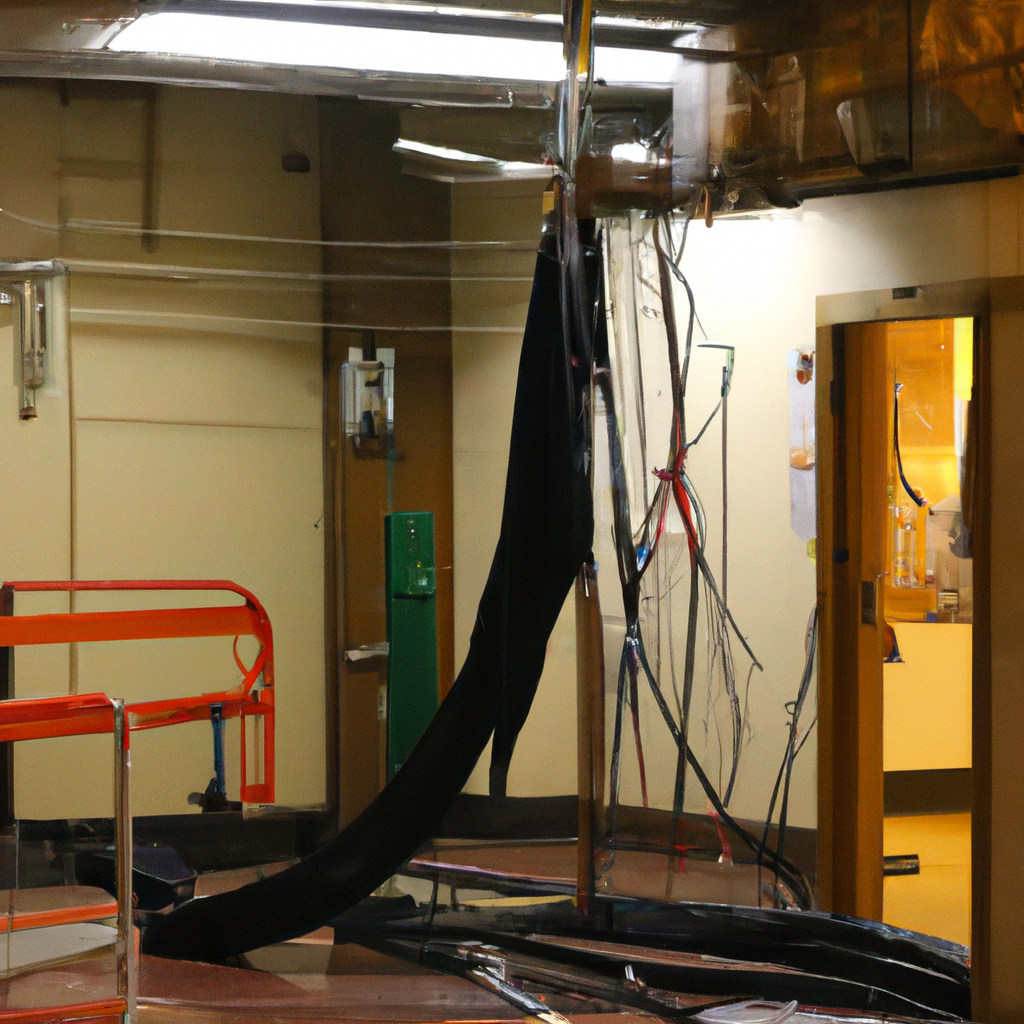
Commercial Fire Damage Repair
Commercial fire damage repair in business settings is a complex process that involves evaluating both visible damage and hidden hazards, with steps including a professional assessment, site safety, soot and smoke removal, water damage mitigation, and structural repairs. The goal is not only physical restoration, but also business continuity, accomplished by prioritizing critical areas, maintaining clear communication, preventative measures, and relying on the expertise of restoration professionals.
Read More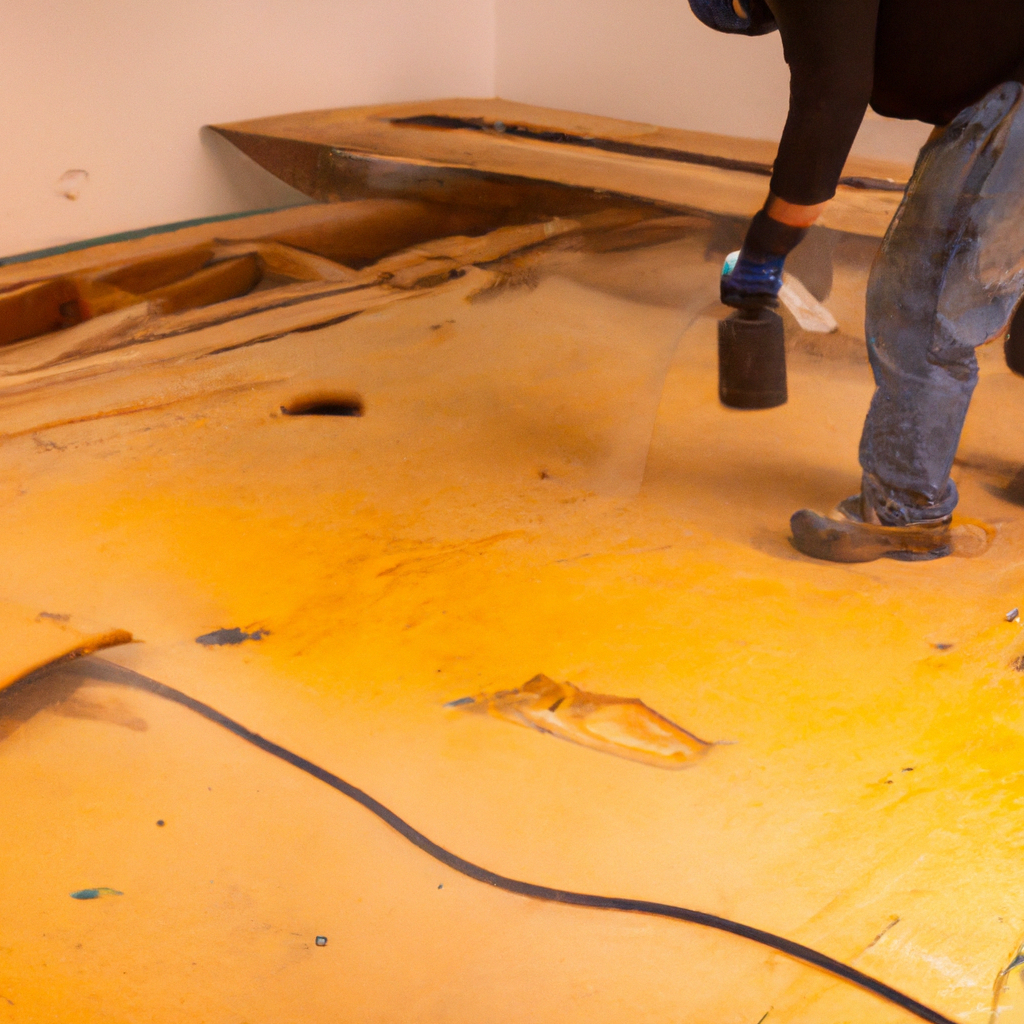
Professional Mold Remediation Techniques
Professional mold remediation in commercial and industrial contexts is pivotal due to the potential health risks and structural damage mold can cause. The process includes comprehensive testing, containment and air quality management, meticulous mold removal, drying, moisture control, and safety measures, with the priority being to ensure a safe and productive environment while mitigating operational disruptions.
Read More