



Blog
Handling Large-Scale Flood Cleanup
Handling Large-Scale Flood Cleanup
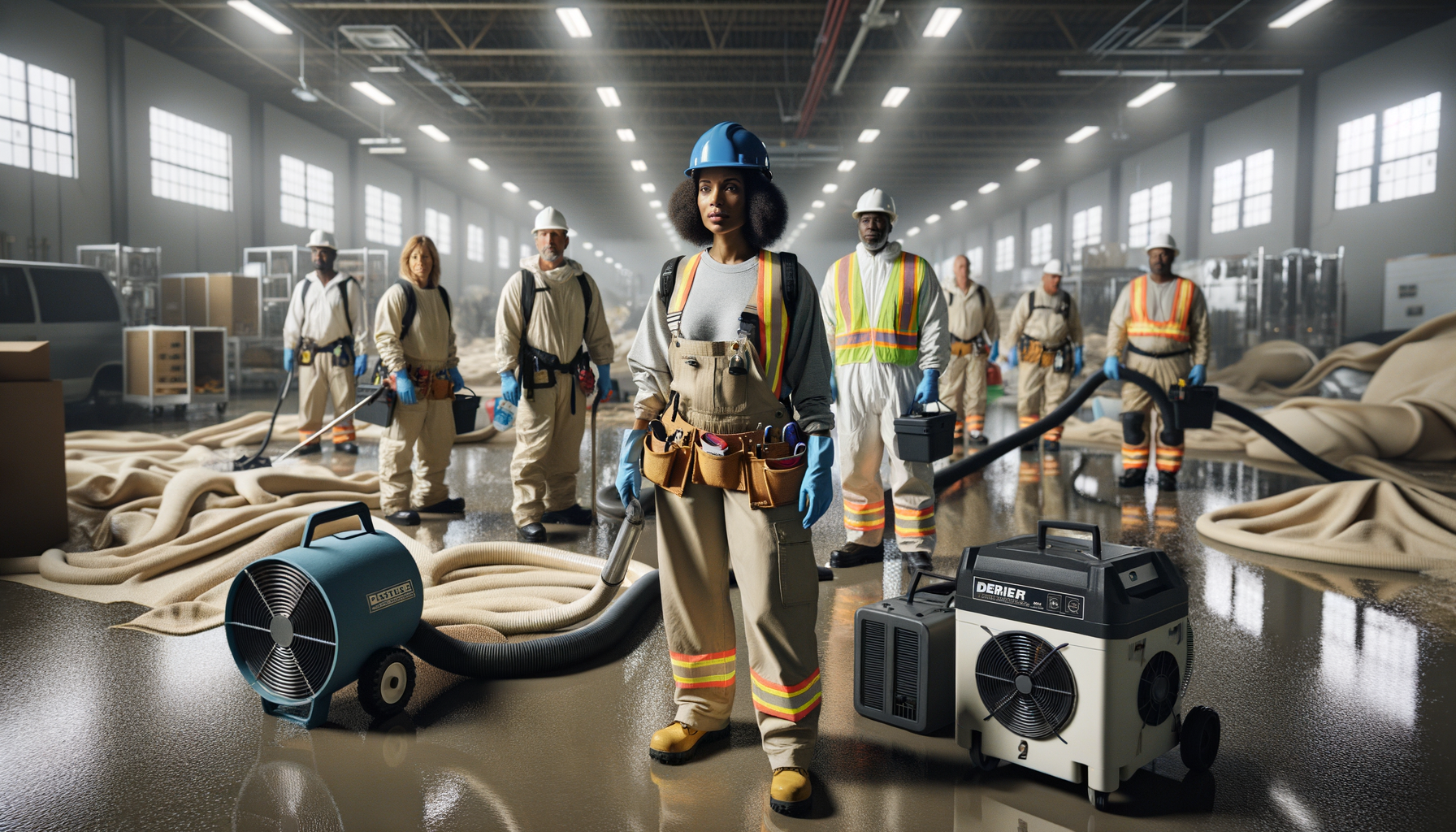
Large-scale flooding in industrial and commercial environments is a high-stakes event: operations stall, inventory is threatened, and building systems can deteriorate by the hour. Effective flood recovery is not simply “getting the water out.” It requires disciplined project management, safety-first decision-making, and a structured restoration plan that protects people, property, and continuity. At TRI-WEH Restoration, we approach large losses with industrial-grade equipment, documented processes, and an eye toward returning facilities to compliant, operational condition—fast.
Stabilize the Site: Safety and Control Come First
Before crews begin any water restoration work, the site must be stabilized. Floodwater can conceal hazards such as compromised flooring, exposed electrical systems, displaced chemicals, and unstable racking. In many commercial settings, the risk profile is elevated by energized equipment, pressurized lines, and confined areas.
- Electrical isolation: Coordinate lockout/tagout procedures and verify panels, motors, and distribution areas are safe before re-energizing.
- Air quality awareness: Standing water and wet materials can rapidly support microbial growth; implement ventilation and containment strategies as needed.
- PPE and exposure control: Floodwater may contain contaminants, especially when drains back up. Appropriate gloves, boots, eye protection, and respiratory protection should match the water category and site conditions.
- Traffic and access planning: Establish safe routes for equipment movement, waste handling, and personnel flow to prevent slips, trips, and cross-contamination.
Rapid Water Removal: The Power of Industrial Equipment
In large facilities, time is the enemy. The longer water remains, the greater the damage to structural assemblies, electrical systems, and building finishes. High-capacity water extractors, truck-mounted systems, and industrial pumps are essential for removing bulk water quickly and reducing overall drying time.
- Prioritize critical zones: Focus first on electrical rooms, server areas, production floors, and loading docks where downtime costs are highest.
- Use the right extraction method: Squeegee wands, weighted extraction tools, and high-flow pumps help match the approach to the surface and depth of water.
- Document moisture conditions: Mapping affected areas supports insurance reporting, guides drying strategy, and prevents missed pockets of saturation.
Fast extraction also reduces the likelihood that a water restoration project escalates into a more complex remediation event. In industrial settings, that speed can protect equipment foundations, reduce corrosion risk, and preserve sensitive inventory.
Drying and Dehumidification at Scale
After extraction, the real work begins: controlled drying. Large-volume spaces require calculated air movement and dehumidification to remove moisture from concrete, wall assemblies, insulation, and subfloors. Simply “running fans” is rarely sufficient in a warehouse, plant, or multi-tenant commercial property.
- Engineered drying plans: Equipment placement should be based on psychrometrics, temperature control, and the building’s airflow patterns.
- Containment when needed: Isolating zones improves drying efficiency and helps manage dust, odor, and potential contaminants.
- Ongoing monitoring: Daily readings of humidity, temperature, and material moisture content keep the project on track and support defensible completion criteria.
When Floodwater Is Contaminated: Sewage Cleanup Protocols
Not all flood events are clean-water incidents. Backed-up drains, overwhelmed municipal systems, or mixed runoff can introduce biological and chemical hazards. Sewage cleanup demands a higher level of containment, disinfection, and disposal practices—especially in food service facilities, healthcare environments, and manufacturing operations.
- Controlled removal of impacted materials: Porous items and compromised insulation may require removal to eliminate contamination reservoirs.
- Cleaning and disinfection: Hard surfaces must be cleaned prior to disinfectant application to ensure effectiveness.
- Waste handling and compliance: Proper bagging, staging, and disposal reduce risk and align with applicable regulations and site policies.
Coordinating Restoration With Operations
Commercial clients often need partial occupancy or phased reopening. TRI-WEH Restoration plans around business requirements, sequencing work to protect revenue and reduce downtime. That may include isolating work zones, scheduling high-noise activities off-hours, and coordinating with facility engineers to protect critical systems.
In some losses, flood conditions can also affect fire suppression infrastructure, electrical controls, or equipment rooms tied to life safety. Where appropriate, fire restoration considerations—such as evaluating smoke migration from compromised systems or addressing corrosion to fire-protection components—may be integrated into the broader recovery plan.
From Industrial Sites to Home Restoration: One Standard of Care
While this guide focuses on large-scale facilities, the same disciplined approach applies to home restoration when a residence experiences a severe flood. The difference is scale, not seriousness: safety, rapid extraction, verified drying, and responsible cleaning remain the pillars of a successful outcome.
Closing Thoughts
Handling large-scale flood cleanup is a race against deterioration and disruption. With professional water extractors, a data-driven drying strategy, and strict safety controls—including sewage cleanup protocols when contamination is present—commercial and industrial properties can recover efficiently and return to dependable operation. TRI-WEH Restoration delivers structured, accountable restoration services that protect your facility, your people, and your bottom line.