



Blog
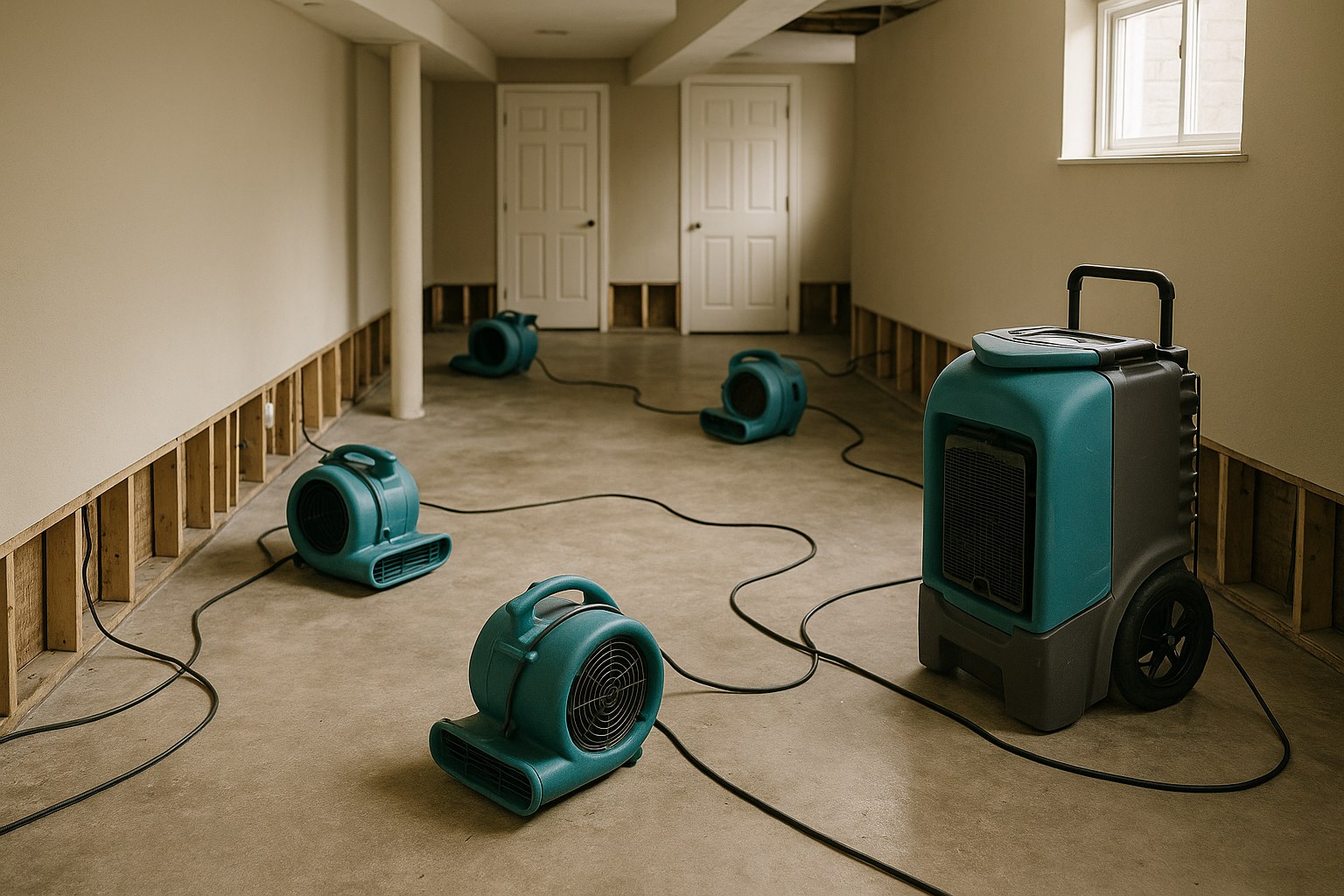
Water Damage Drying Time: How to Know When It’s Done
Drying ends when the moisture readings match an unaffected control, not when the calendar says so. What the numbers mean before equipment leaves.
Read More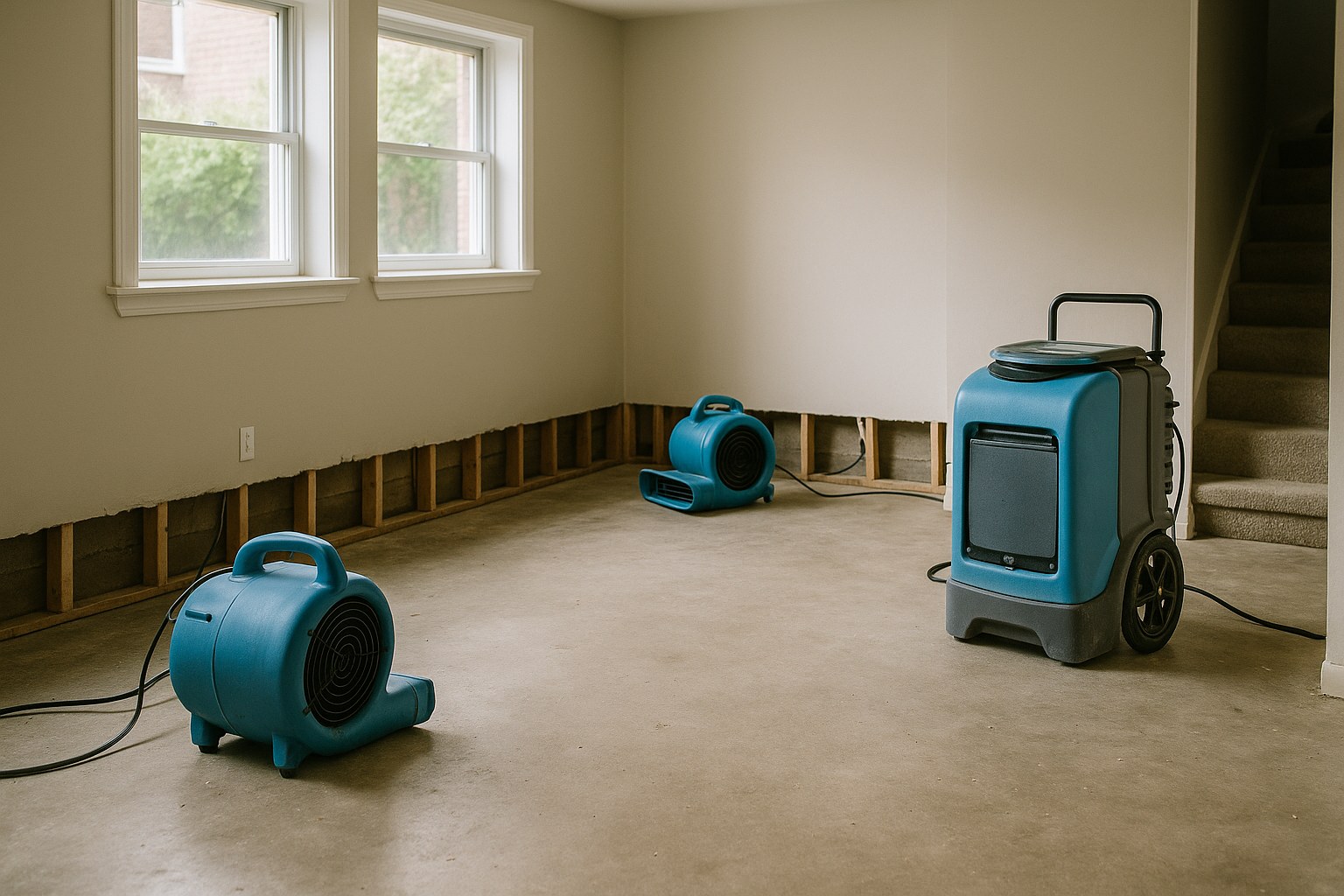
Why Water Damage Claims Get Denied in Ohio
Most denied water claims turn on one question: how long was the water running? What sudden and accidental means, and how to document a loss from hour one.
Read More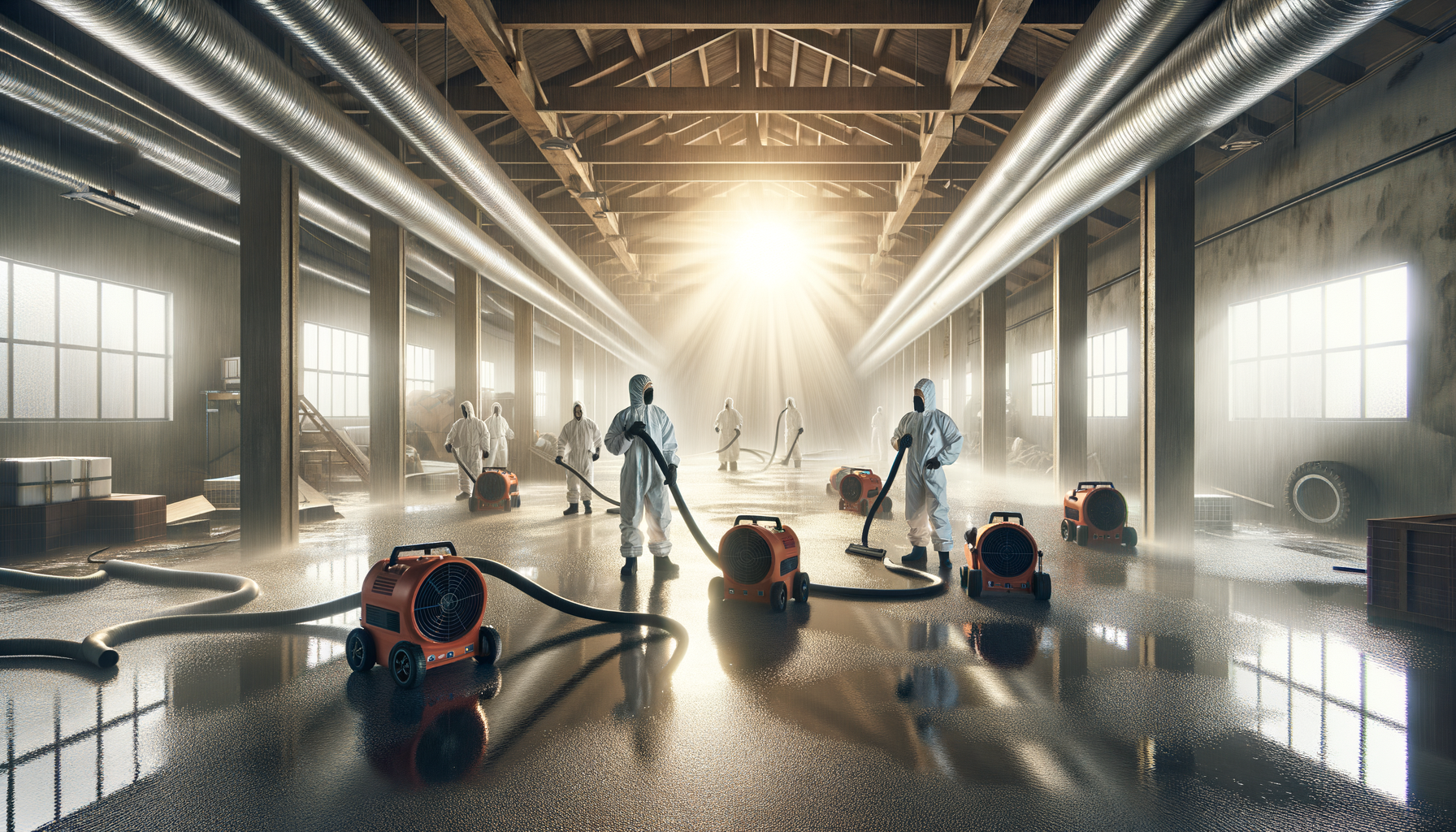
Industrial Water Damage Restoration: Rapid Drying for Operational Continuity
Industrial water damage spreads fast, so restoration focuses on safety, source control, rapid extraction, and measurement-based drying at scale. Proper airflow/dehumidification, containment, and verification prevent mold and minimize downtime.
Read More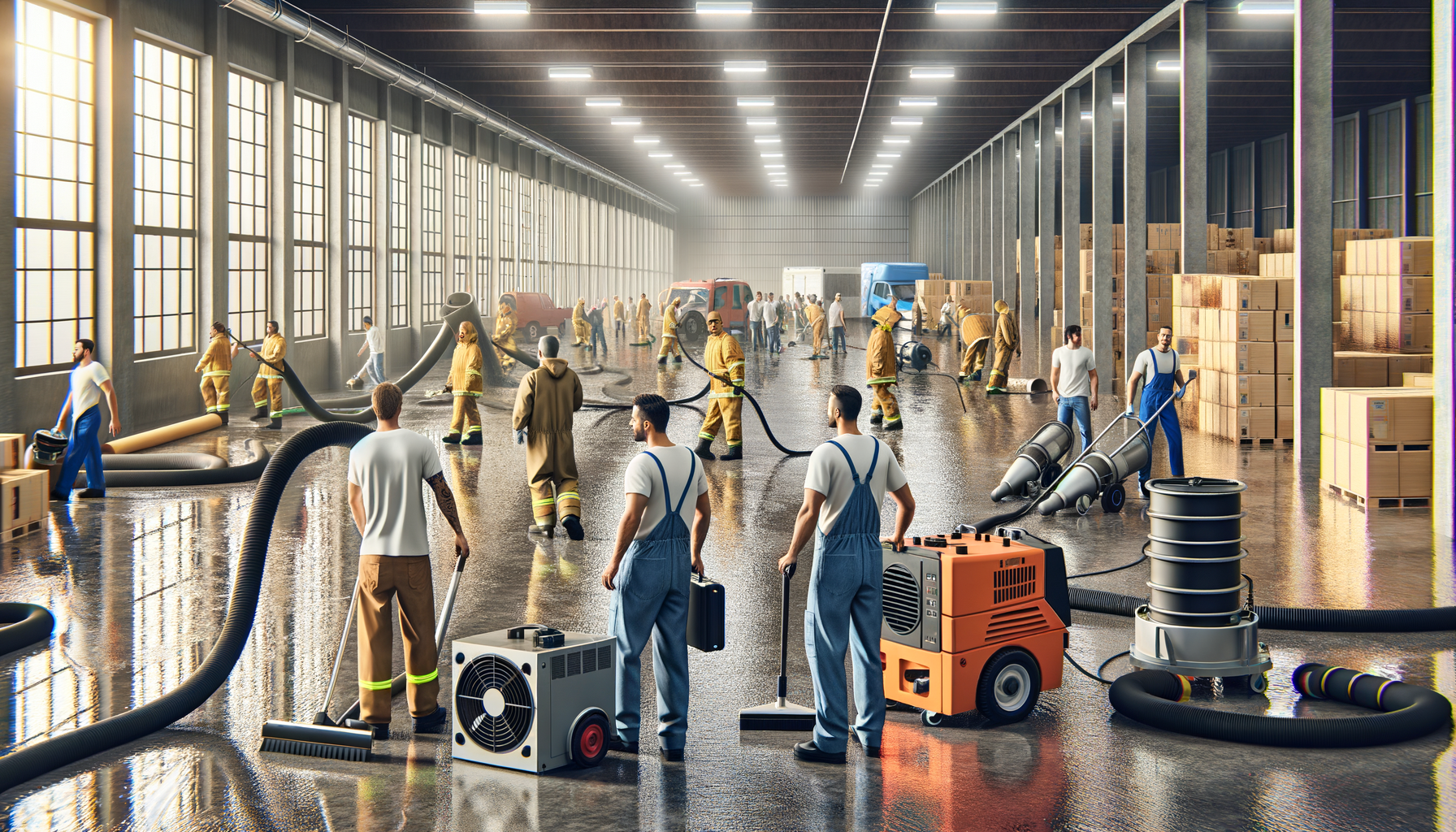
Managing Large-Scale Flood Cleanup in Commercial Facilities: A Practical Plan
A large-scale commercial flood cleanup plan prioritizes safety, zoning, rapid water removal, and controlled drying with rigorous documentation. Cleaning, mold/odor prevention, and final verification make reopening safe, compliant, and defensible.
Read More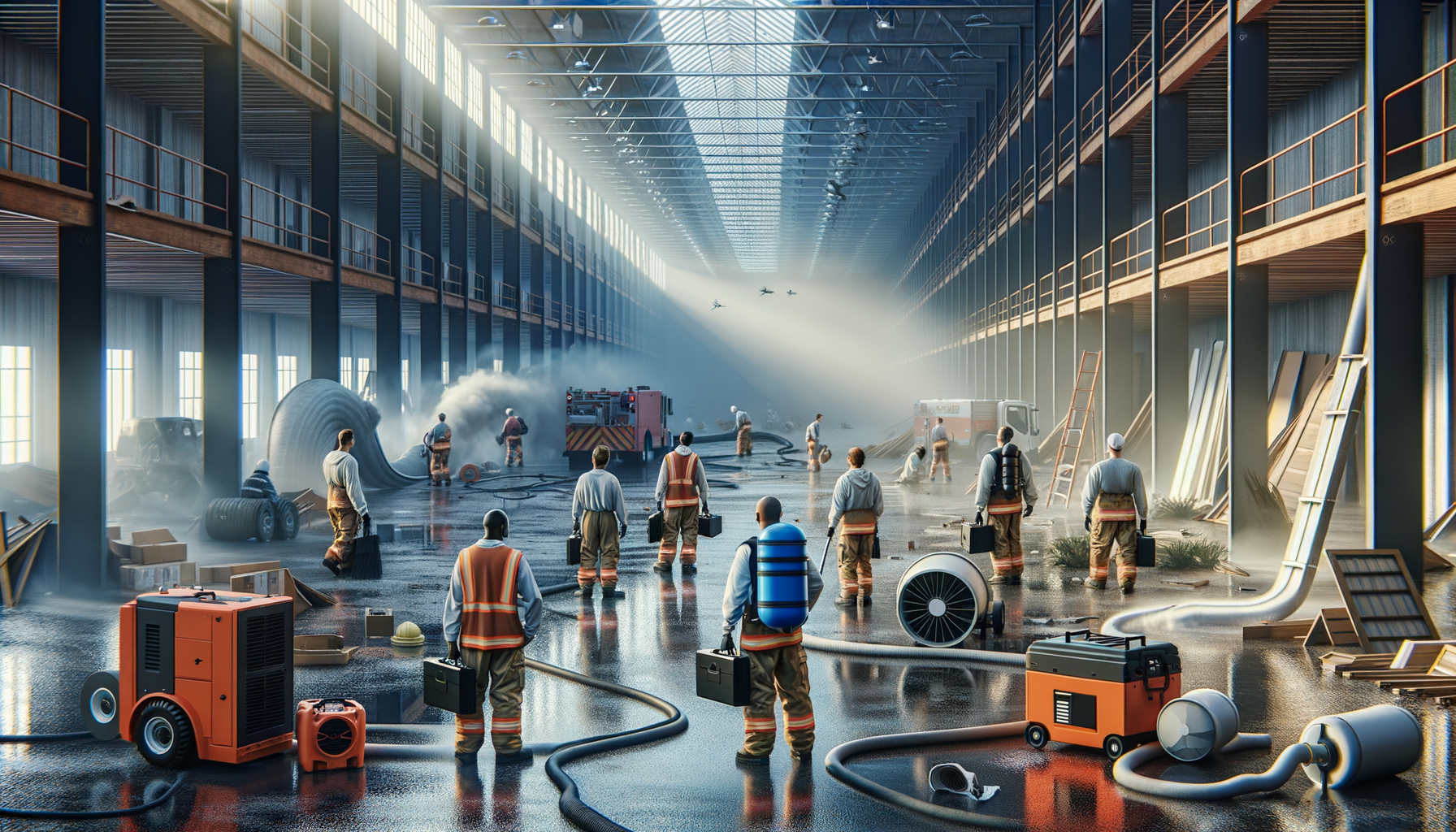
Commercial Fire Damage Repair for U.S. Businesses: Assessment to Restoration
A step-by-step guide to commercial fire damage repair: stabilize and secure the site, document and assess systems, remove suppression water, clean soot/odors and HVAC, then rebuild to restore safe, code-compliant operations.
Read More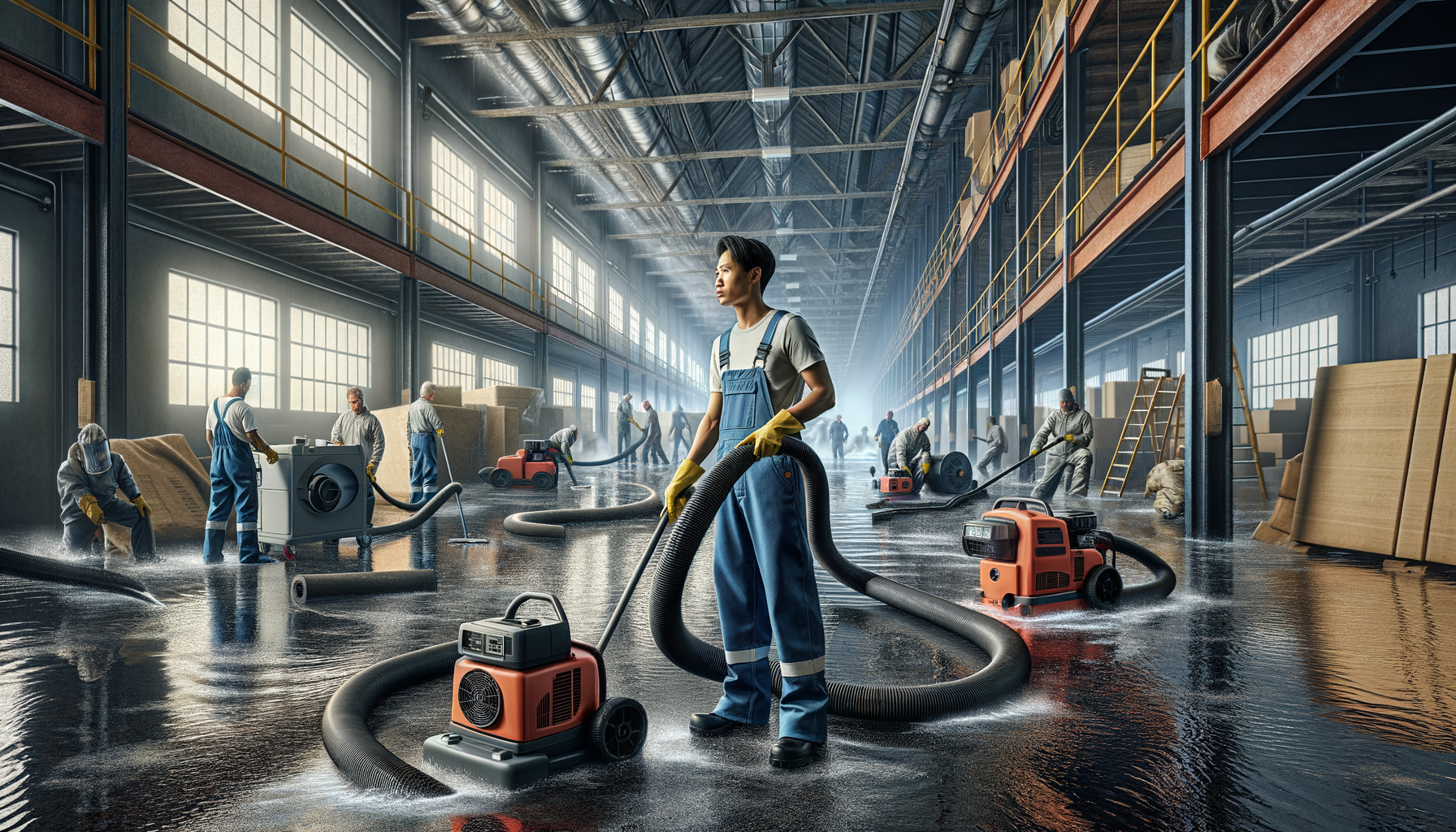
Industrial Water Damage Restoration for Plants and Warehouses: Drying & Dehum Plan
Industrial water damage demands more than extraction—TRI-WEH uses safety controls, moisture mapping, and a sized airflow/dehumidification/heat plan to dry assemblies fast, prevent mold, and speed restart.
Read More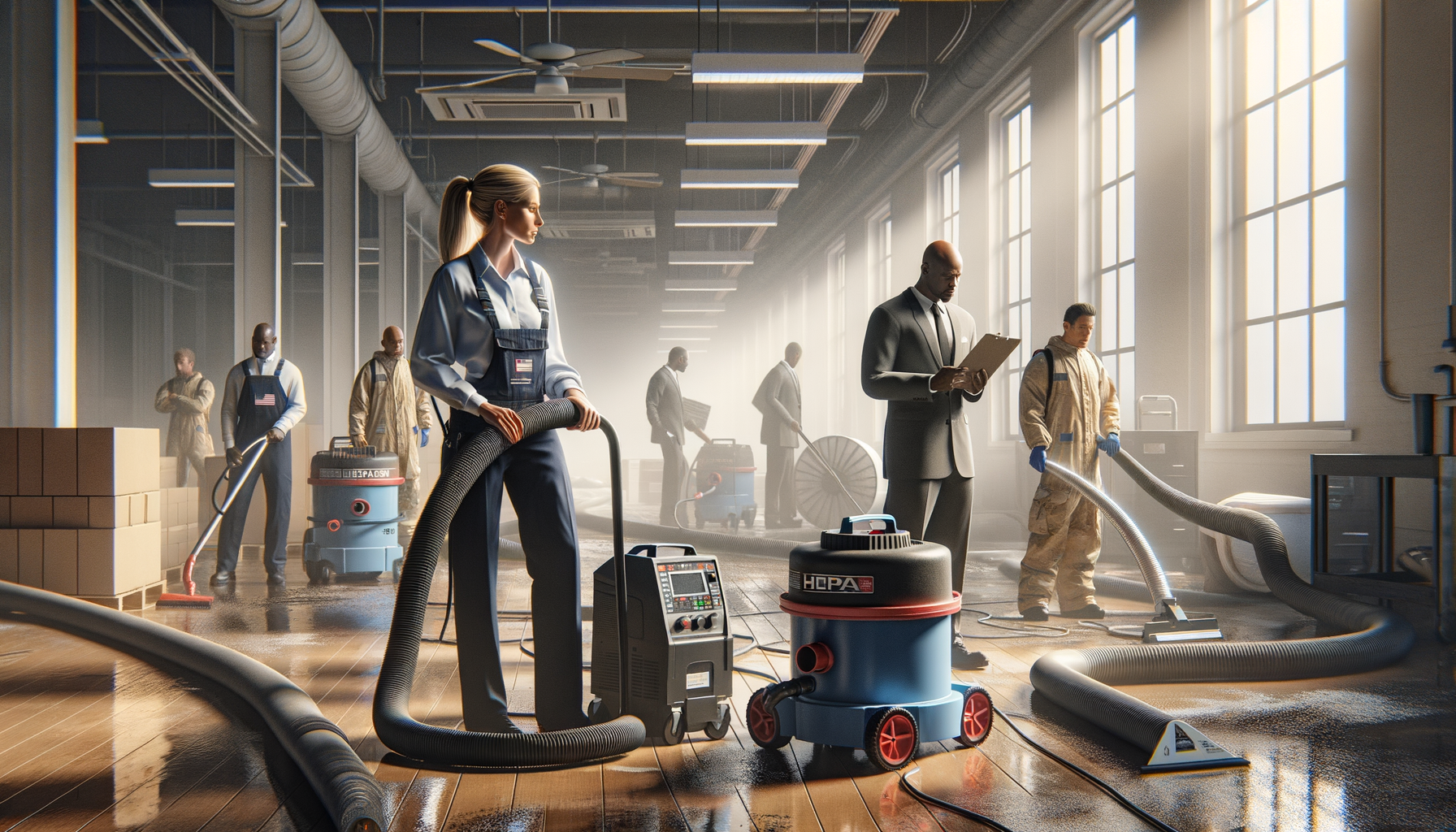
Smoke Damage Recovery Best Practices for U.S. Commercial Facilities
Commercial smoke damage can spread through HVAC and building pathways, causing odors, staining, corrosion, and air-quality risks. Best practice is a safety-first, documented recovery using containment/negative pressure, HEPA filtration, residue-specific cleaning, odor source removal, and fast moisture control—ideally with an IICRC-certified partner.
Read More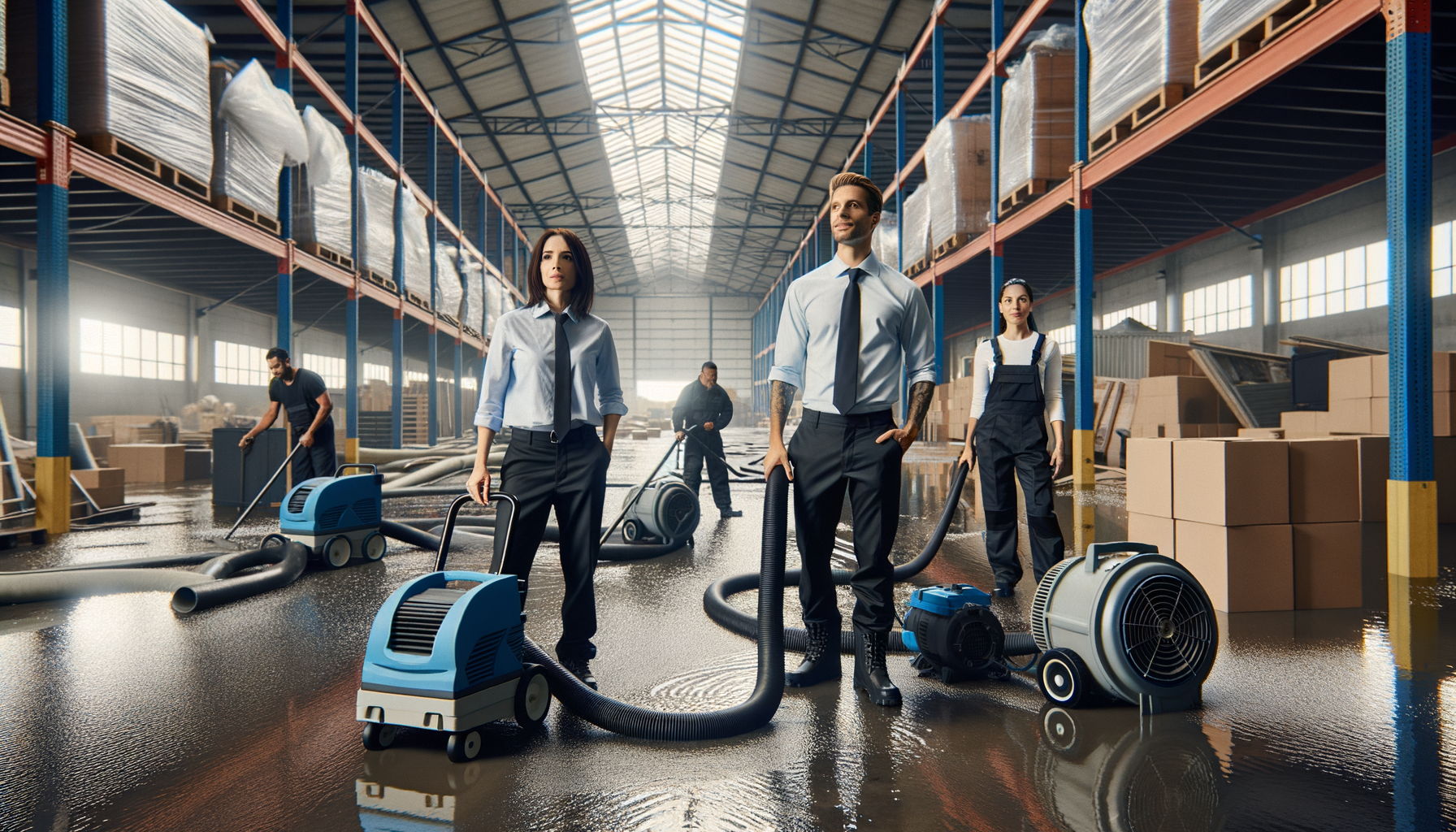
Large-Scale Flood Cleanup for Industrial Sites: Logistics, Drying, Compliance
Industrial flood cleanup demands disciplined logistics, hazard control, high-volume extraction, and engineered drying to protect assets and curb mold. Documented compliance and verification prove readiness to reopen fast.
Read More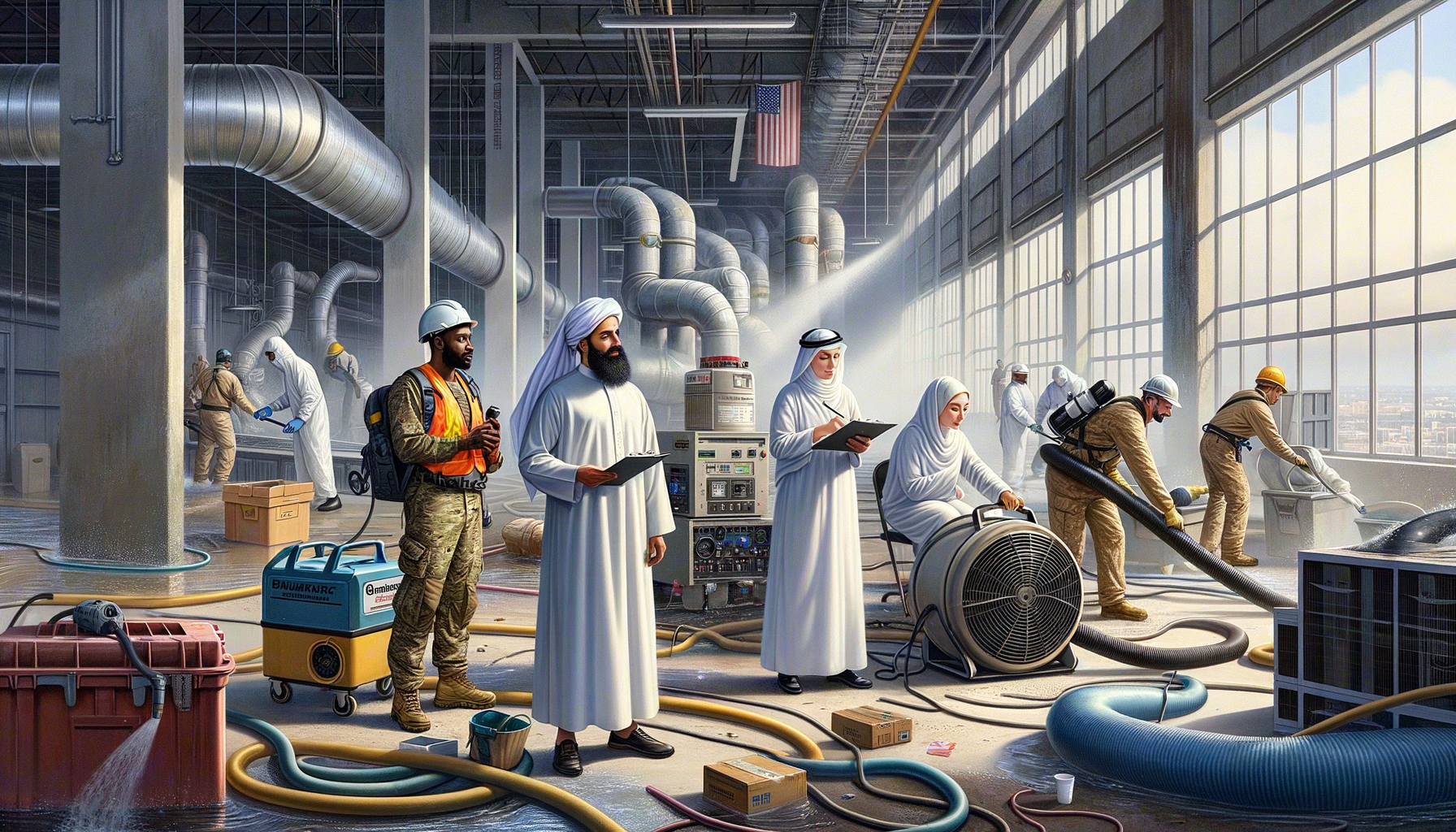
Industrial Water Damage Restoration for U.S. Facilities: Mitigation to Restart
Industrial water damage requires a safety-first, documented mitigation plan—rapid extraction, engineered drying, and contamination control—to protect people, equipment, and inventory. The goal is verified conditions and a fast, restart-driven return to operations.
Read More